Is Nicaragua Safe in 2026? What Expats and Visitors Actually Experience
Updated August 2026
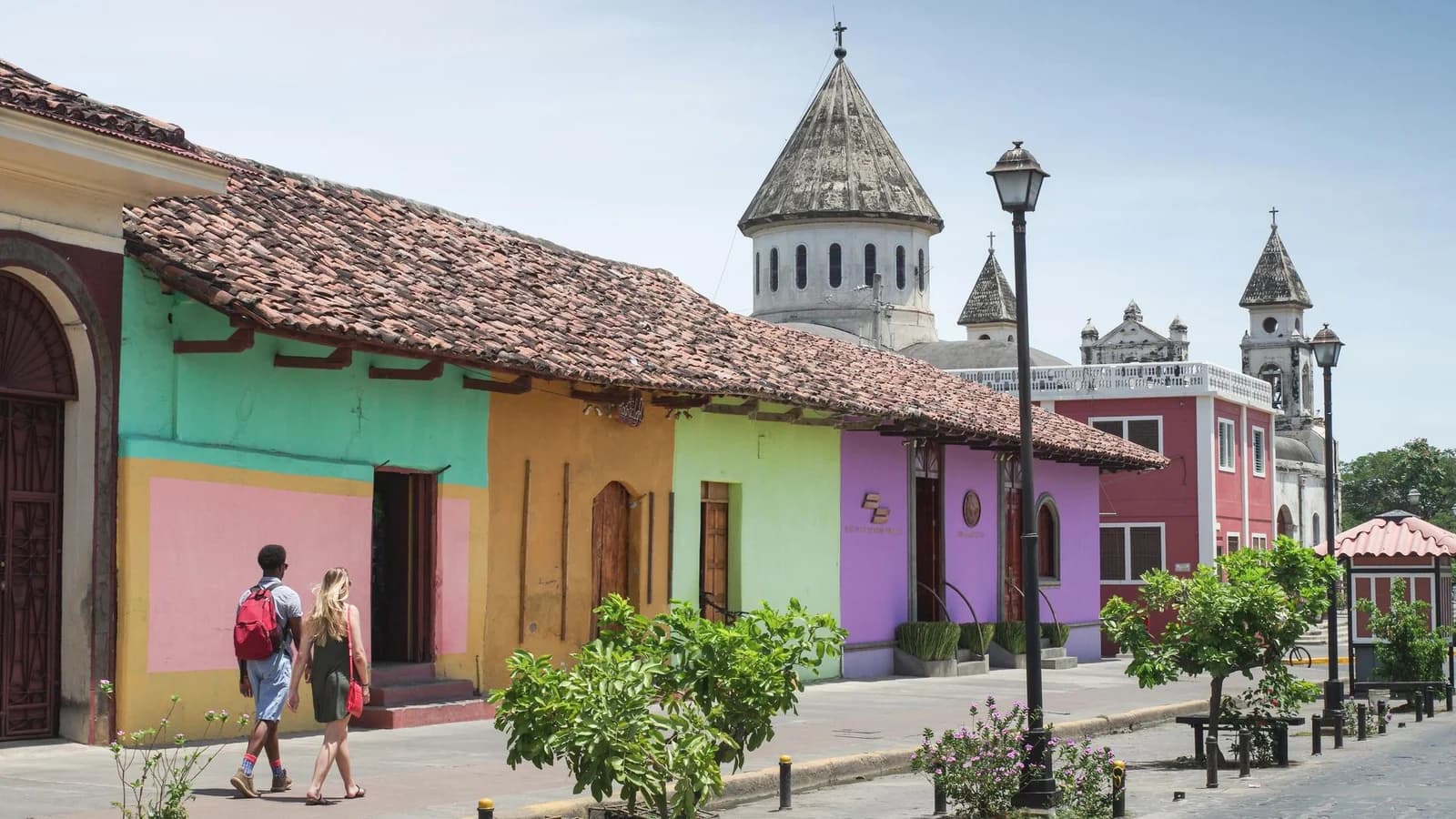
Safety is one of the first questions people ask about Nicaragua, and the honest answer is that most expats find it calmer and more welcoming than they expected. Here is a grounded look at what daily life actually looks like, with the numbers that back it up.
Nicaragua in regional context
Nicaragua's homicide rate runs around 6 per 100,000 people, one of the lowest in Central America, well below Honduras, Guatemala, and even Costa Rica, which has seen its own rate climb in recent years as the region's crime patterns have shifted. For comparison, several major US cities post higher numbers than the entire country of Nicaragua.
Violent crime against tourists and foreign residents is rare. Expats living in Granada, San Juan del Sur, León, and other popular areas consistently describe their day-to-day lives as relaxed, friendly, and unremarkable in the best sense: the kind of place where you get to know your neighbors and stop thinking about safety as a daily calculation.
The country is known for the warmth and hospitality of its people. Nicaraguans are proud of their country and welcoming to foreigners who come with curiosity and respect. Long-time residents often say the biggest adjustment is getting used to how relaxed everyone else already is, not managing risk.
Part of what keeps that welcome genuine is scale. Nicaragua has not yet seen the kind of expat saturation that has changed the character of parts of Costa Rica or Mexico, where local residents in some towns describe feeling priced out of their own housing market. Foreign buyers and long-term visitors are still a modest presence here, which means the relationship between newcomers and long-time residents stays closer to neighbors than to landlord and tenant.
Practical things to be aware of
Like anywhere, common sense matters.
- Petty theft: pickpocketing and opportunistic theft exist in busy markets and crowded areas. Keep an eye on your belongings in the same way you would in any city.
- Road safety: traffic and road conditions are the most consistent practical hazard. Night driving on rural roads, livestock on highways, and mixed-traffic situations deserve real attention. Take it slow.
- Natural environment: Nicaragua is volcano and earthquake country with a distinct rainy season. These are part of life here and easy to plan around once you understand the rhythms.
Where expats settle and how they live
The most established expat communities are in Granada's colonial center, San Juan del Sur and the southern Pacific coast, León, and Managua's residential neighborhoods. In these areas, expats shop at local markets, build friendships with neighbors, and move around freely.
The safest and most comfortable experience comes from choosing where you live carefully, building genuine local relationships, and living at a pace that fits the country rather than fighting it.
What long-term expats say changes their sense of safety
People who have lived here for years tend to point to the same handful of habits: they learn the neighborhood on foot before driving it, they ask other expats or neighbors which areas to avoid at night (usually just a couple of specific blocks in any given city, not broad zones), and they keep the same situational awareness they would use in any unfamiliar place, nothing Nicaragua-specific about it.
The overwhelming theme in expat groups and forums is not fear. It's how quickly people stop thinking about safety altogether once they've settled into a routine.
The bottom line
Most people who spend real time in Nicaragua come away surprised by how comfortable and welcoming it is. The best way to find out if it suits you is to spend time here. An exploratory trip, a month-long stay, and conversations with people already on the ground tell you far more than any advisory document. That is exactly the kind of grounded visit we help people plan.
This is general information based on expat reporting and regional crime data. For current travel guidance, check your home country's official travel advisory and connect with people living there now.
Ready to take the next step?
Talk to someone who has done it
Every move is different. Book a free orientation call and we will give you a straight read on whether Nicaragua is the right fit for your situation.
Book a free call →